AAMLO: preserving Oakland’s Black history in a civic landmark
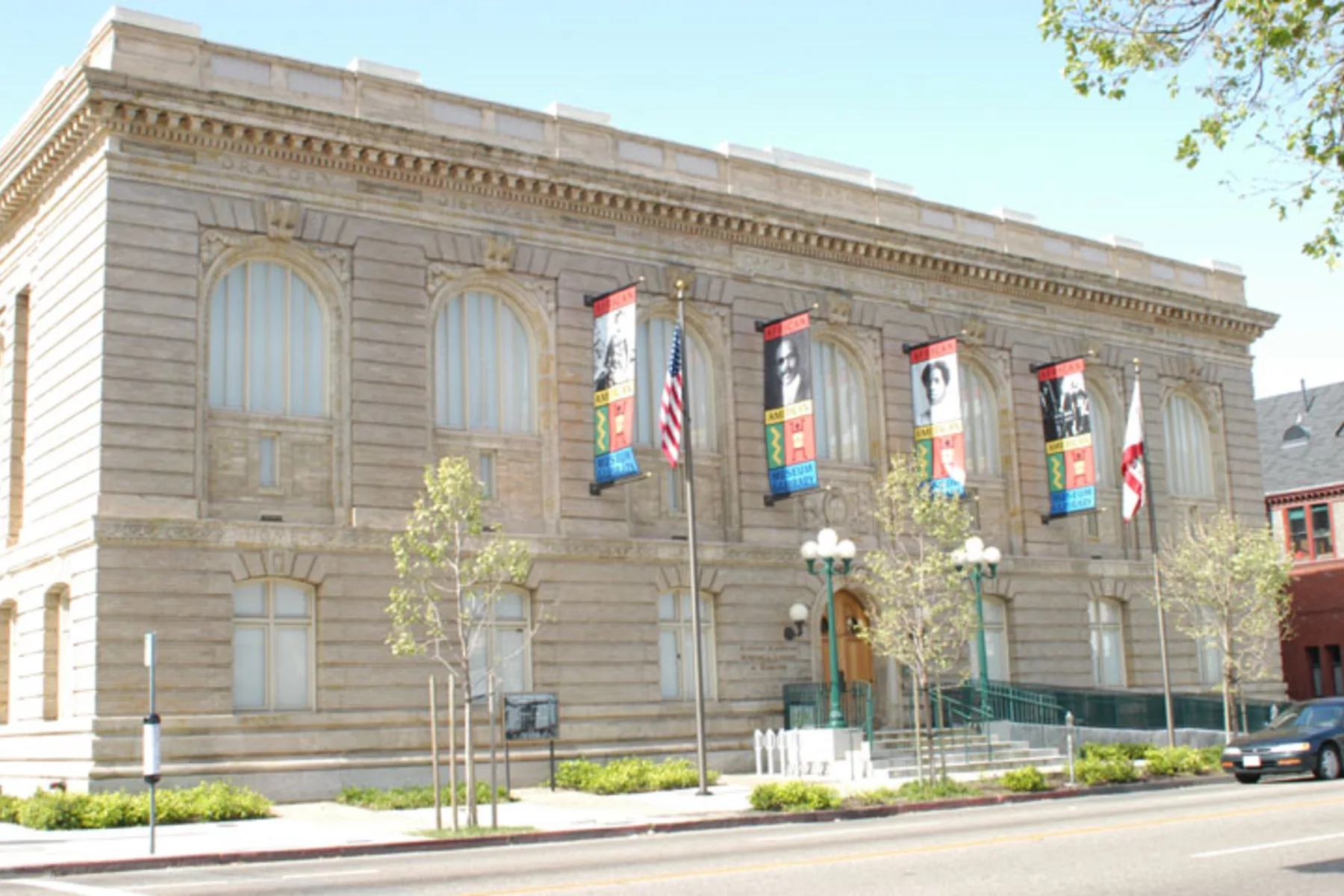
Photo by Oakland Public Library; cropped, resized and converted from a CC BY-SA 3.0 work.
.jpg)
Oakland’s cultural identity cannot be reduced to a single institution, mural or performance. The African American Museum and Library at Oakland offers a particularly strong place to begin because its work joins preservation with public access. AAMLO describes its mission as preserving and interpreting the history and culture of African Americans in California and the West. That regional scope places Oakland stories within migrations, labor, politics, art, business and family life that extend far beyond city limits.
The collection grew from community action. AAMLO’s institutional history traces its roots to private collectors and organizers who formed a center in 1965 and later established the Northern California Center for Afro-American History and Life. The City of Oakland and Oakland Public Library became stewards of the collection in the 1990s. This sequence matters because the archive did not begin as an abstract municipal project. Residents first recognized that records, photographs, newspapers and personal papers could disappear unless someone actively gathered and protected them.
The museum and library now occupy a 1902 Carnegie building designed by Charles W. Dickey. Stone ornament and a formal civic facade give the archive a visible place in downtown Oakland. The building carries its own history while housing many others. Exhibitions can introduce a subject; archival collections let researchers follow the evidence more deeply. Together they make history both approachable and durable.
Oakland’s broader arts and food scenes grow from many communities, and its Black cultural history has influenced music, visual art, political thought, literature and neighborhood life. AAMLO is not a substitute for those living practices. It is an anchor: a place where records can be described, conserved and encountered, and where public programs can connect documents to current conversation.
Sources before slogans
A cultural claim deserves a traceable source. The Oakland Public Library pages control the institution’s mission, chronology and building facts. The photograph is documentary rather than promotional. This article treats those records as the basis for its description. Insurance information on this website follows the same discipline: general explanation can organize questions, but only the policy actually issued controls coverage, exclusions, limits and claim handling.
Sources: Oakland Public Library, About AAMLO and AAMLO collection and visitor overview.
Collection as community infrastructure
Preservation work is often invisible. Materials must be accepted, described, stored and made discoverable before a researcher can use them. Names, dates and subjects need enough context to connect one folder with another. That work turns isolated objects into a record and gives future questions somewhere to begin.
AAMLO also demonstrates why stewardship and access belong together. Protecting a fragile item can limit casual handling, while catalogs, exhibitions and staff guidance help the public encounter it responsibly. Oakland’s cultural life continues outside the archive every day; the institution’s role is to keep evidence available across generations. Its downtown home makes that obligation legible in the streetscape: history is not an ornament added after the city is built, but part of the public structure through which a city understands itself.
How this page is bounded
The linked public agency pages control the institutional facts stated here, and the licensed image is identified separately. Links are provided so a reader can check the source rather than rely on this summary. Conditions, programs and public access can change; consult the responsible institution for current information. No city feature establishes insurance eligibility or coverage for a nearby address.